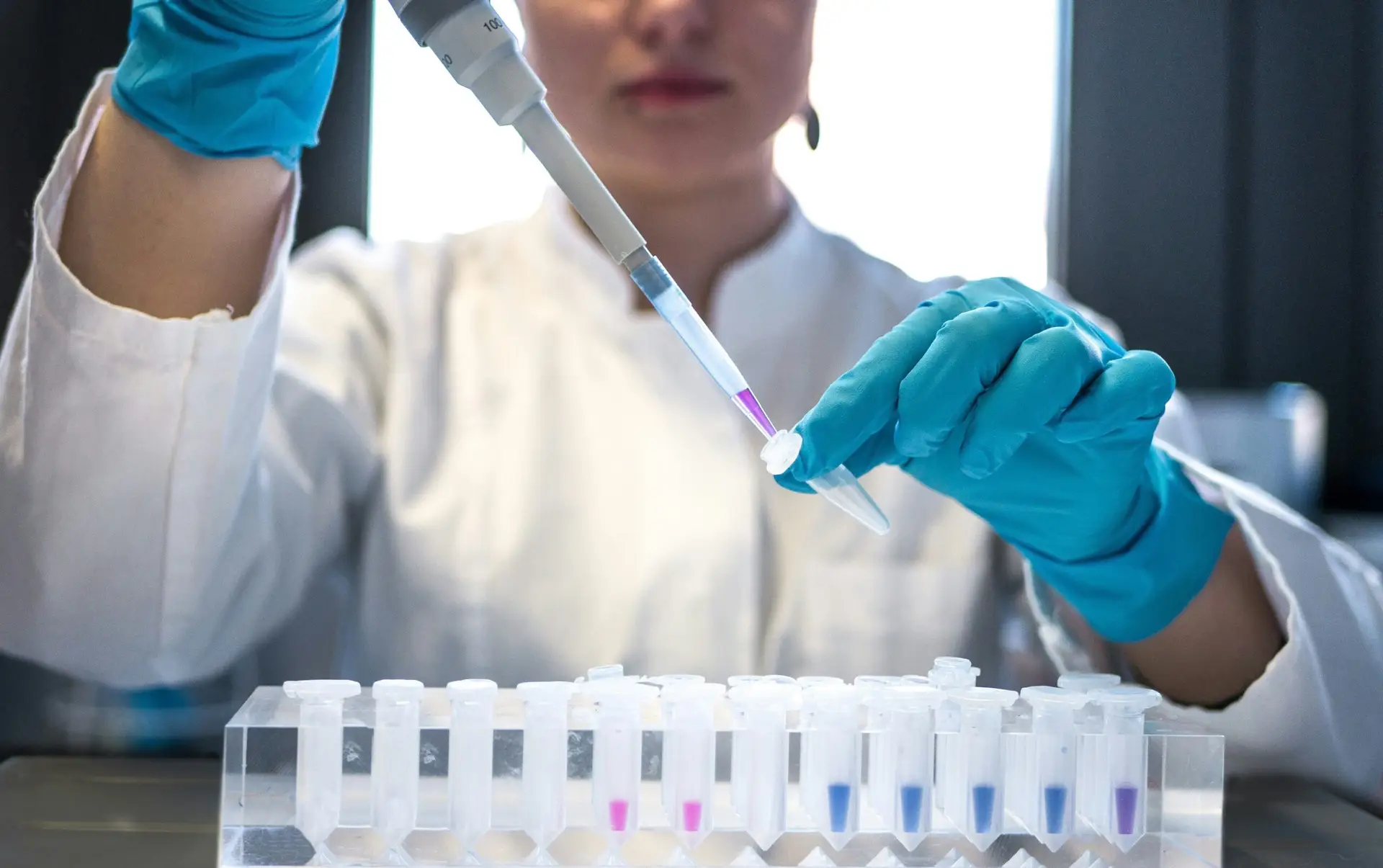

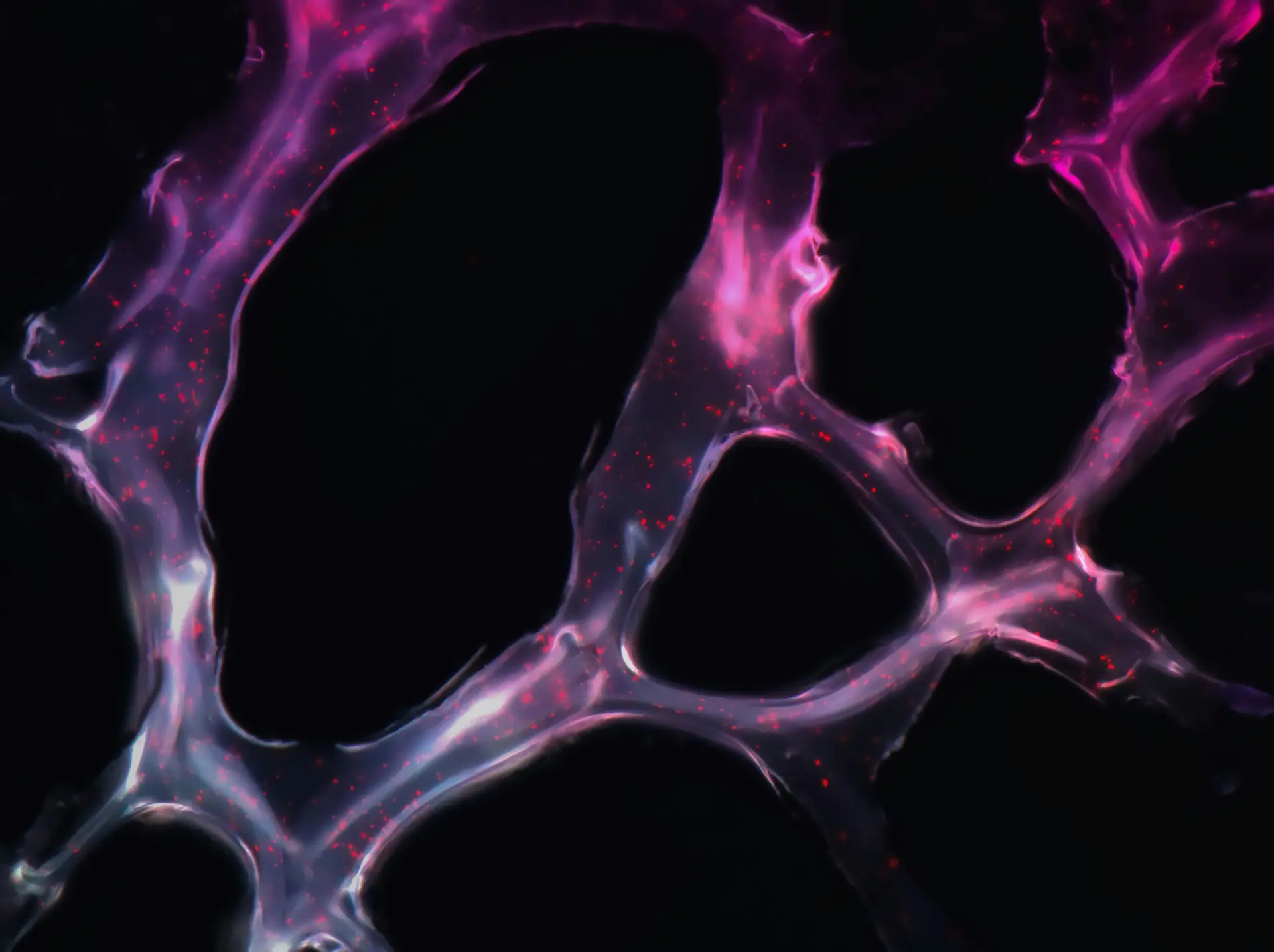
BPC-157 is a synthetic pentadecapeptide derived from a protein sequence originally identified in human gastric juice. Composed of fifteen amino acids and designated Body Protection Compound 157, this research compound has been the subject of substantial scientific investigation since its initial characterization in the early 1990s. BPC-157 has attracted considerable interest from researchers across multiple disciplines owing to its interactions with a diverse range of molecular signaling pathways in controlled laboratory environments. This article provides a comprehensive scientific overview of BPC-157’s molecular characteristics, mechanisms of action, and established laboratory research applications for qualified researchers and scientific professionals.
Molecular Profile
BPC-157 is a synthetic pentadecapeptide with the following molecular characteristics. Type — Synthetic pentadecapeptide. CAS Number — 137525-51-0. Molecular Weight — 1419.5 g/mol. Amino Acid Count — 15. Amino Acid Sequence — GEPPPGKPADDAGLV. Molecular Formula — C62H98N16O22. BPC-157 is produced through solid-phase peptide synthesis and is commercially available in lyophilized powder form for research applications. Its fifteen amino acid sequence is derived from the gastric protein BPC and has been studied extensively in in-vitro and preclinical research models for its interactions with multiple cellular signaling systems.
Mechanisms of Action in Research Settings
BPC-157 has been investigated across a broad spectrum of molecular pathways in controlled laboratory environments. Research has documented several key mechanisms that contribute to its scientific significance as a research compound.
BPC-157 has been studied extensively for its interactions with the nitric oxide signaling system in laboratory models. Research has examined how BPC-157 influences nitric oxide synthase activity and downstream NO pathway signaling in cellular research systems. Nitric oxide plays a central role in vascular biology, cellular communication, and inflammatory pathway regulation making this a significant area of ongoing laboratory investigation. In fibroblast and endothelial cell culture models BPC-157 has been studied for its influence on cellular migration and proliferation signaling cascades. Research utilizing scratch assay models and transwell migration assays has examined how BPC-157 modulates cytoskeletal dynamics and cellular motility signaling in controlled in-vitro environments. These studies contribute to a broader scientific understanding of cellular repair signaling mechanisms at the molecular level.
BPC-157 has demonstrated interactions with growth factor receptor signaling pathways in laboratory research models. Studies have examined its influence on VEGF receptor signaling and downstream angiogenic pathway activation in endothelial cell culture systems. Additionally research has investigated BPC-157’s interactions with EGF receptor pathways and their downstream effects on cellular proliferation signaling in controlled laboratory conditions. The compound has also been studied in the context of tendon and ligament derived cell culture models. Research utilizing tenocyte and fibroblast cell lines has investigated BPC-157’s influence on collagen synthesis signaling, tenogenic differentiation pathways, and extracellular matrix remodeling dynamics in controlled in-vitro environments. These studies contribute to scientific knowledge of connective tissue biology at the cellular and molecular level.
BPC-157 research has also extended to gastrointestinal cell biology. Studies utilizing gastric mucosal cell cultures have examined the compound’s interactions with prostaglandin synthesis pathways, mucosal barrier signaling systems, and inflammatory cytokine regulation in controlled laboratory settings. Its origin from a gastric protein sequence makes gastrointestinal cell biology a natural focus of BPC-157 research programs.
Laboratory Research Applications
BPC-157 is utilized across a diverse range of scientific disciplines in controlled research environments. Vascular biology research investigates BPC-157’s interactions with nitric oxide signaling pathways and endothelial cell function in laboratory models. Cellular migration studies utilize BPC-157 to examine fibroblast and endothelial cell motility signaling mechanisms in in-vitro scratch and transwell assay systems. Growth factor receptor research examines BPC-157’s modulation of VEGF and EGF receptor signaling cascades in controlled cell culture environments. Connective tissue biology research investigates collagen synthesis signaling and extracellular matrix remodeling in tendon derived cell culture models. Gastrointestinal cell biology studies examine BPC-157’s interactions with gastric mucosal signaling pathways and prostaglandin synthesis systems in laboratory settings. Inflammatory pathway research investigates cytokine signaling modulation and inflammatory cascade regulation in cellular research models. Neurobiological research has also examined BPC-157’s interactions with dopamine and serotonin receptor systems in neuronal cell culture models contributing to scientific understanding of neurotransmitter signaling dynamics.
Stability and Storage Requirements
Proper storage and handling of BPC-157 is essential for maintaining compound integrity and research reproducibility. In lyophilized powder form BPC-157 is stable at -20°C for 24 or more months when stored in dry airtight conditions away from light and moisture. Once reconstituted the solution should be maintained at 2-8°C and used within 30 days to ensure consistent research results. Repeated freeze/thaw cycles should be avoided as thermal fluctuations degrade peptide bond integrity and compromise research reproducibility. Protection from UV and direct light exposure is essential as photodegradation can alter the compound’s molecular structure and affect research outcomes. BPC-157 demonstrates optimal stability in slightly acidic aqueous solutions and should be stored in appropriate research grade diluents to maintain molecular integrity.
Sourcing and Quality Standards
Fresno Biolabs sources BPC-157 exclusively from US certified laboratories utilizing advanced solid-phase synthesis protocols and rigorous quality control standards. Every batch is validated via HPLC and mass spectrometry analysis with certificates of analysis confirming purity levels exceeding 99 percent. Independent endotoxin screening ensures research grade quality and consistency in every unit distributed to qualified researchers and scientific institutions.
Conclusion
BPC-157 stands as one of the most extensively investigated synthetic peptides in modern preclinical research. Its broad interactions with nitric oxide signaling, growth factor receptor pathways, cellular migration cascades, and gastrointestinal cell biology make it a uniquely versatile research compound across multiple scientific disciplines. The compound’s well characterized molecular profile and documented interactions with diverse signaling systems continue to make it a subject of active scientific investigation in laboratory settings worldwide. Fresno Biolabs is committed to supplying California researchers and scientific institutions with verified research grade BPC-157 sourced exclusively from certified US laboratories.
Disclaimer: All compounds discussed in this article are intended strictly for laboratory and in-vitro research purposes only. BPC-157 is not intended for human or animal consumption, therapeutic use, diagnostic application, or any purpose outside of controlled scientific research settings. This article is for informational and scientific reference purposes only. Fresno Biolabs complies with all applicable federal and state regulations regarding the distribution of research compounds.
Added to cart
Check out our shop to see what's available