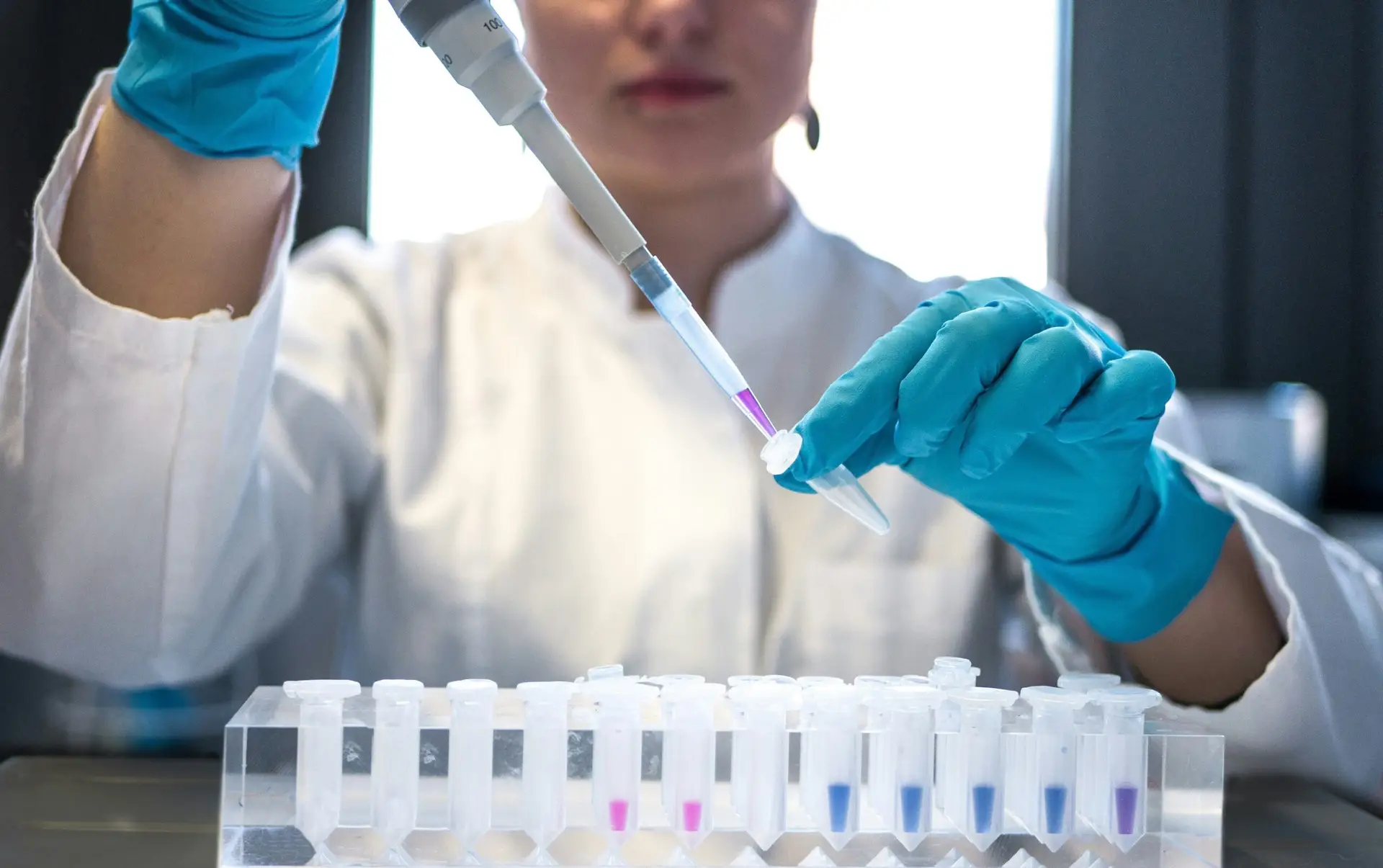
When researchers source peptide compounds for laboratory use, purity verification stands as one of the most critical quality indicators available. Two analytical techniques dominate modern peptide quality verification in research settings — high performance liquid chromatography designated HPLC and mass spectrometry. Understanding how these methods work and what they confirm helps researchers make informed decisions when evaluating research compound suppliers.
HPLC is a chromatographic separation technique that measures the relative abundance of molecular species in a sample by their differential movement through a stationary phase under pressure. In peptide purity analysis HPLC separates the target compound from synthesis byproducts, truncated sequences, and other impurities based on their unique physicochemical properties. The resulting chromatogram displays peaks representing each molecular species present with peak area integration providing a quantitative measure of relative abundance. A compound reporting greater than 99 percent purity via HPLC analysis indicates that less than one percent of the total sample consists of non-target molecular species.
Mass spectrometry complements HPLC analysis by confirming the molecular identity of the target compound through precise molecular weight determination. Where HPLC measures purity by separation, mass spectrometry confirms identity by measuring the mass to charge ratio of ionized molecules. For peptide research compounds mass spectrometry analysis confirms that the synthesized sequence matches the theoretical molecular weight of the target peptide within acceptable tolerance ranges. The combination of HPLC purity data and mass spectrometry identity confirmation represents the gold standard of peptide quality verification in research settings.
Certificates of analysis documenting both HPLC purity percentages and mass spectrometry confirmation provide researchers with the most comprehensive quality assurance available for research peptide compounds. Fresno Biolabs provides certificates of analysis from our US laboratory partners for all research compounds upon request ensuring researchers have access to complete quality documentation for their laboratory records.
Disclaimer: This article is intended for scientific reference purposes only. All compounds discussed are for laboratory research use only and are not intended for human or animal consumption.