Proper storage of research peptides is essential for maintaining compound integrity, ensuring reproducible results, and maximizing the shelf life of laboratory materials. Peptide compounds are sensitive to temperature fluctuations, moisture, light exposure, and pH changes making careful storage protocols a fundamental requirement for any research program utilizing these compounds.
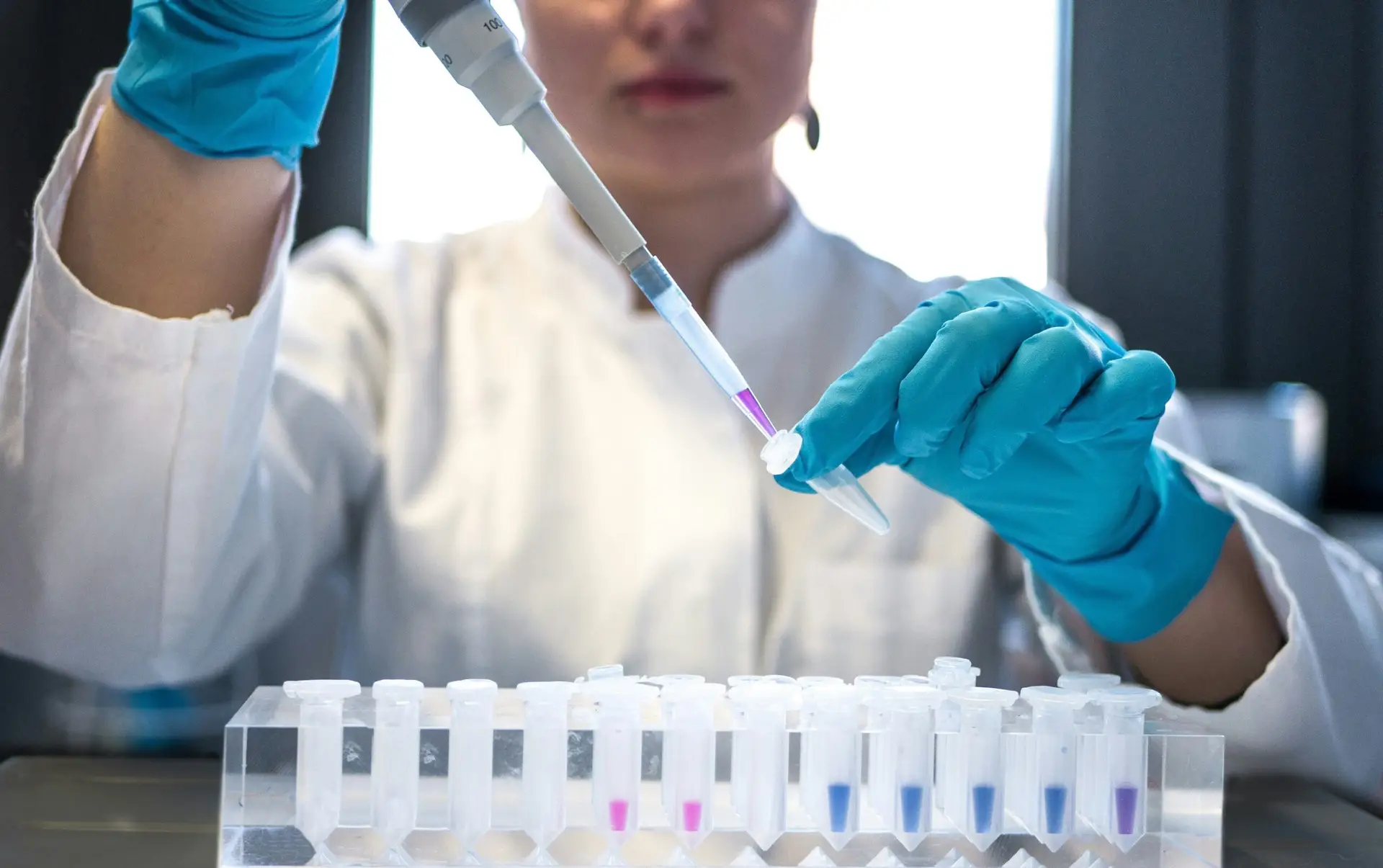
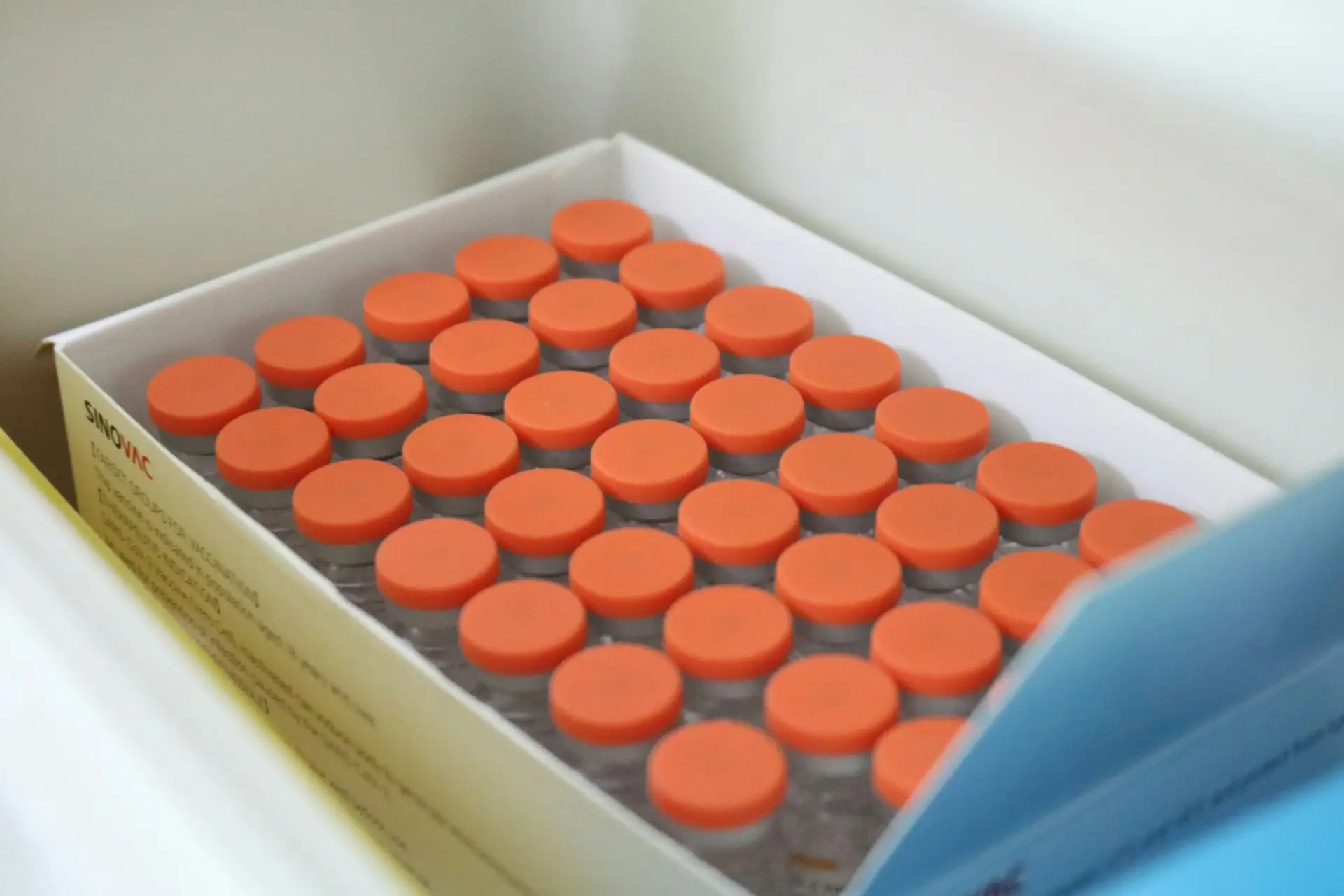
Most lyophilized research peptides are stable at -20°C for extended periods ranging from 12 to 24 or more months when stored correctly. Lyophilization — the process of freeze drying peptide compounds to remove water content — significantly extends compound stability by eliminating the primary medium through which hydrolytic and oxidative degradation occurs. Lyophilized peptide samples should be stored in airtight containers with desiccant materials to prevent moisture absorption from ambient air which can initiate degradation even at low temperatures.
Freeze/thaw cycling represents one of the most common causes of peptide degradation in research settings. Each cycle of freezing and thawing subjects the peptide to mechanical stress from ice crystal formation and dissolution which can disrupt molecular structure and reduce biological activity in research models. Researchers should aliquot lyophilized stock into single use quantities before reconstitution to minimize the number of freeze/thaw cycles each sample undergoes.
Light exposure is another significant factor in peptide stability. Ultraviolet radiation can cause photodegradation of aromatic amino acid residues and disulfide bonds in peptide structures. Storage in amber or opaque containers and minimizing exposure to laboratory lighting during handling helps preserve compound integrity throughout the research process.
Once reconstituted peptide solutions require more careful handling than lyophilized stocks. Most reconstituted peptides should be maintained at 2-8°C and used within 30 days. The choice of reconstitution solvent also affects stability — slightly acidic aqueous solutions generally provide optimal stability for most research peptides while strongly alkaline conditions can accelerate hydrolytic degradation of peptide bonds.
Fresno Biolabs ships all research compounds in lyophilized form with storage recommendations clearly documented on product labeling. Our US laboratory partners utilize validated storage and shipping protocols to ensure compounds arrive at research facilities in optimal condition for immediate use or long term storage.
Disclaimer: This article is intended for scientific reference purposes only. All compounds discussed are for laboratory research use only and are not intended for human or animal consumption.